 About gDonna
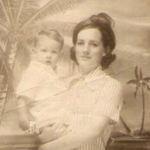
 The photo is my son and myself. Now days you can get a photo made to look old like this one. This photo was taken when this was the new look.
Harry S Truman was president when I was born and world war II had ended. I grew up in a time when lunch was put in a brown paper bag and a sandwich was wrapped with wax paper. There was no such thing as pantyhose, we wore stockings that attached to the rubbery clippy things that attached to the girdle. Convenience stores were not common and when we took a trip we packed a picnic basket because many places did not have fast food. Highways had places to pull over and stop, some with picnic tables. Read more ....
Comments On Article: Oh Yes They Did...
If you would like to share your comments for article Oh yes they did..., this is where to do it!
Click the Reply To This Topic button below to post yours.
Perhaps the soap shortage cam from lack of fats to make it? There has to be fat for the saponification process to occur. Since fats were collected and rationed it simply wasn’t available for soap making? I dunno… I am fascinated that bones were saved and collected…. That must have been super smelly…..
This is so fascinating! Thank you for posting all of this information. :) But it makes me sad, because if things breakdown these days, we don't have horses and wagons we can easily substitute. I do have my feet, and I have our family bicycle fitted out to carry a few things. I guess I can do without a horse. :) It makes gardens so much more important too. If you can run out of bread because of lack of deliveries, you could run out of produce too, I would think. And it is a good lesson in keeping the pantry full, just in case!
Matty H -- That's what I read, that the fat shortage started the US on its way to having chemical soaps, because the chemicals were the replacement for the lack of fats.
The Amish have been very wise in their lifestyle. While the world has chased after the latest and the greatest, the Old Order Amish have retained the same values as their ancestors. Horse and buggy is normal for them. No electricity is part of their daily life. They are allowed propane and many have designed wind mill power for items they require that would use electricity.
Thank you for another wonderful post, Donna. I thought of the Andy Griffeth show where the milk was being delivered by horse and buggy.
When I read this stuff, I immediately ponder the all-out panic that would ensue at the announcement that we'd have to drive much less or go without. Especially when I know how some people react over much more minor inconveniences! I once saw a woman completely come unhinged over a freebie running out at McDonald's! That was more than 20 years ago. It's worse today.
The horse and buggy make sense, as does the bike. The bike is great exercise, too! When we became a one car family in Los Angeles, we were told it could never be done. Hubs got to his job via both bike and train. I walked a lot more. We did just fine. That generation wasn't far removed from the horse and buggy. For most, it was probably a simple transition.
My last dog absolutely loved when I read to her. When I did my Bible study, she would lie next to me and I would read aloud. Her eyes would slowly turn glassy and then her chin would drop on my thigh. I loved the pictures of your girls gathered round!
I wonder if quick breads took the place of yeast bread for some? A (US version ) biscuit can make a bun for a sandwich. I know some were using sourdough. I remember my dad didn’t like it - he said it had always tasted too sour to him.
I didn’t know that about going back to horse and buggy for delivery either. I knew people bicycled more but I never thought of delivering goods. So many things were delivered to the home back then.
1942 is close to the time my grandfather went on the draft board. He sent two of his sons to the war but thankfully they both came home safely.
The little baby washcloths are so cute. How exciting to have a great-grand on the way! Congratulations!
Stephanie G
wow
The horse & wagon story is so interesting! I'd never heard of that either.
My grandfather was a farmer who sold his produce in town. I bet it was nothing for him to deliver by wagon!
One thing that came to mind recently as far as keeping a stocked pantry is portion control and a balanced meal. If you eat appropriate amounts you can maintain a reasonable pantry. Most Americans overeat at meals and snack too much. A garden is helpful in this because not only does it save money but produce can fill you up.
Grandma Donna Wrote,
Matty H and Stephanie G, yes you are correct, the short supply of fats did also have a big part in the shortage of the soap supply. The many factors that we are now reading contribute to the chain reaction. The rubber ration causing the rural areas to lose their bread.
Glenda H_2, I too thought about a few movies as I read some of the articles about deliveries. When I was growing up, some people still came into town with their horse and wagon. We had milk deliveries into the 1980s. Dairy was not sold in Grocery Stores until refrigeration was more widespread. The dairy had routes that delivered to the home. In 1940 64% of homes had electric refrigeration.
Hello, all! Since I participated in Grandma Donna's 1943 year a few years ago, falling back into this routine, albeit a year earlier, was easier this time and comforting. I'm trying to live as much as possible as it was in my hometown in PA that year. The house I spent years living in was my grandparents' house that they rented, and it had not changed nor been renovated during that time, so it had cabinets and fixtures from at least the 1930s. I'm trying to use the same products that were available then, if they still exist. I put away the modern appliances and am relying on those available then. Like Donna, I have subscribed to newspapers.com and am reading the daily newspaper from my home town each day. This tells me all the news, but also the movies that are playing at the local movie theatres in town (we had two) so when I want to watch TV, I see what is playing at the Elks or Majestic theatres that day and watch one of those movies (many are on YouTube). Since the Elks theatre was still operating up to several years ago, I know exactly what it looked like then.
My town (thank goodness) had electricity and indoor plumbing almost everywhere except for homes on the outskirts. We had a big clawfoot tub, but my family didn't bathe every day; sink baths were the norm.
In my newspaper, there's been no mention so far of bringing back the horse and wagon for deliveries, but there have been articles asking folks to carry their own packages home if they are small and manageable, rather than having everything delivered. Deliveries were being curtailed. I'll keep an eye out for news of horses and wagons returning. Our little town had buses and trams; I know my grandfather took the bus to his job at the steel mill in the next town. But all the shops, library, schools, and post office were within walking distance of their house, so they didn't need a car very often anyway.
There are many articles on tire rationing and a Board was established to determine who could buy new tires. Some essential personnel, mainly. There were articles about not driving on bald tires - that was illegal, too!
What did surprise me was an article about the ages of men now having to appear for selective service. It was raised to the age of 44 (or maybe 45, I can't remember). My grandfather at that time would have been 41, so he'd have had to appear. He had always said he was too young for WWI and too old for WWII, but apparently not. I know he didn't serve, so he was either considered in an essential job (steel mill), had a medical exemption, or was the sole wage earner for the family (but I'm doubtful that got anyone out of serving).
I printed out black and white photos of my mom and her family who lived in that house, During 1942 she and her siblings were in their teens in high school. The one photo has all of them together with their parents, sometime in the mid-late '40s, looking happy. I have it on my desk where I can see it all the time, and it causes a bittersweet sadness when I look at it. They have all been gone for such a long time now, and I miss them. I wish I could crawl into that photo and be with them.
Strangely, this project makes me homesick and yearning for that time, even though I wasn't around then. Does anyone else feel that?
I did find a book about women on the American homefront. There are so many about English women, but not many about Americans. It's called Our Mothers' War, by Emily Yellin, and is a collection of interviews and information given by women who held various roles during this time. It is very well researched and lovely to read other women's stories.
Sorry this is so long! I love this project and feel at home here. I'm so grateful to Donna for sharing her life with us, and all her information.
Another interesting topic. Being an Australian, we were in the war right from the minute it was announced that the Commonwealth was at war - and many relatives were involved, as they had been in the great war too. War is the most horrifying, terrifying thing and for what when it all boils down. Greed, power - man is never satisfied with what he's already got.
Donna says a lot of homes over there had refrigeration in the 1940's - I don't think that applied to the general public here in Australia though, my mum was the first in her entire family to have a Snow Queen refrigerator bought for their new house which my dad built himself and we moved in to that home in November, 1950. Before that it was ice chests. The same applied to electricity, not everyone had it - and we were living in luxury having had a gas heater installed beside the bath tub, it terrified me as a child but I guess it did the job - instant hot water, unheard of - I might add we didn't have it in the kitchen, just the bathroom.
Lynn J "Strangely, this project makes me homesick and yearning for that time, even though I wasn't around then. Does anyone else feel that?"
Do you think it's because people then worked for the common good rather than self? Everyone now is about self. There's a personal want or need to be part of something, but now, the herd is being part of everything that is wrong - selfish beliefs, frivoulous wants, being better/prettier/more in shape than others, bullying (which I found, in my experience, the worst abusers to be women in their 40's-50's), thinking they're too good to do "xyz", they think they're all "owed", rather than what is good for others, the common good. I am not part of the herd and raised my daughter to not be either. The herd is not good, but back then, people came together for things even the simplest things. I don't see that now and certainly didn't see it raising my daughter. The "Village" that raises your child was the neighbor(hood) with the same moral and religious beliefs you had, not dumping your children off for someone else to deal with.
I didn't know that about the horse and buggy either! Fascinating!
I always feel such a sense of peace while reading your posts. When I need some relief from this world I come here and fill up on tranquility. :)
"Strangely, this project makes me homesick and yearning for that time, even though I wasn't around then. Does anyone else feel that?" Yes! I think my soul belongs to another era. I think that is why I'm so attracted to these history studies.
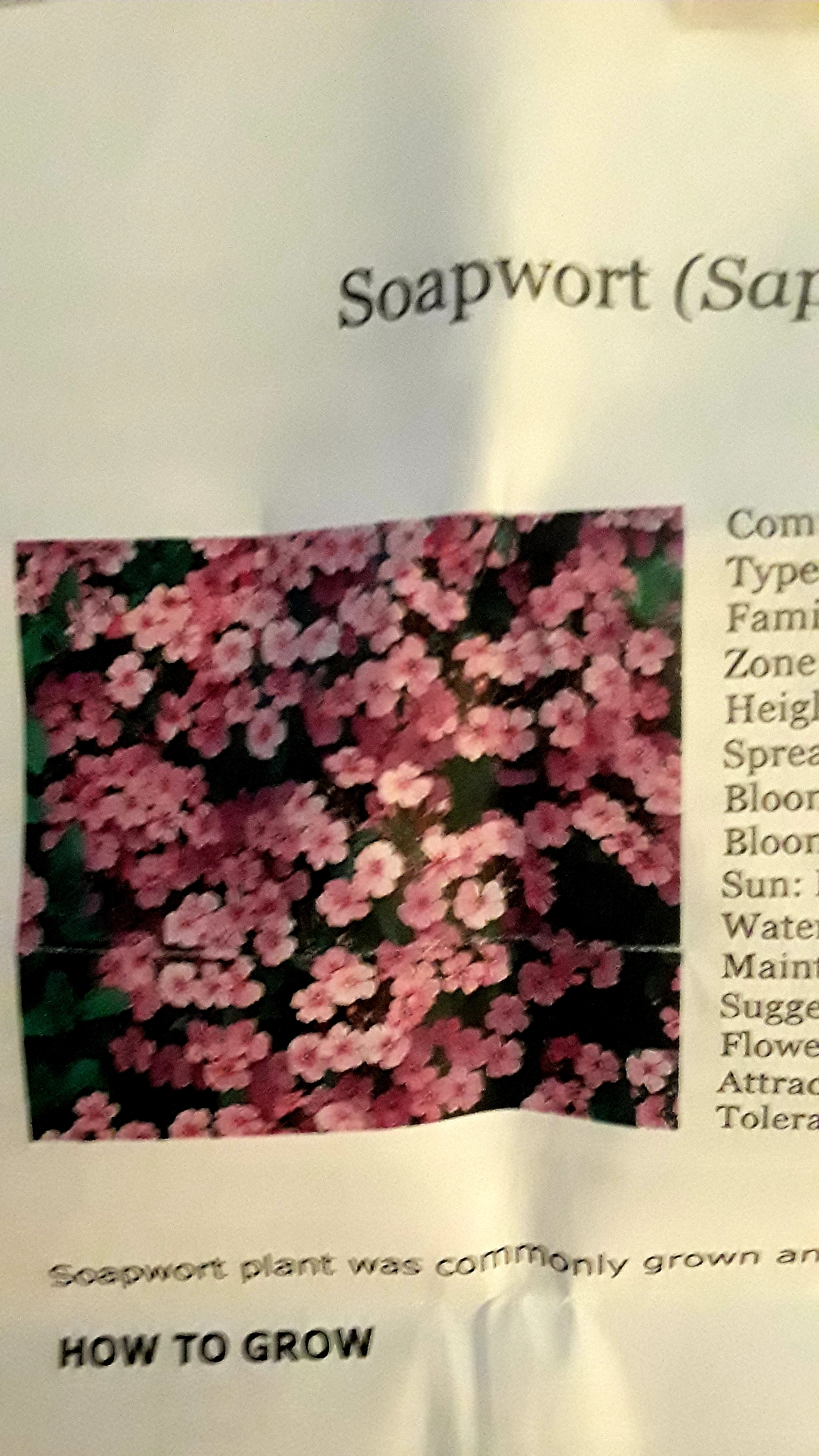
When I watched the War Time Farm series, Ruth did a section on soap rationing and showed how they grew the Soapwort plant and used it in place of soap. She washed her hair with it. It intrigued me so I got some Soapwort seeds from a Canadian company. I think I'm going to try and grow them this year and see how it works. I'm sure it won't replace my soap but I'm always interested in how we can use plants in unusual ways. I'll include a picture of the flowers.
I live in Chattanooga, TN and a friend of mine is a florist. Her father started the business in 1933. She told me that when tires were rationed and her father couldn't use his vehicle to deliver flowers, he would catch the trolley and delivered them that way. Sometimes he would have 3 or 4 arrangements at a time to juggle on the trolley. He would get orders that way too, because the passenger would comment on how that shows his dedication to quality service. :)
Interesting comments all.
We lived in a small-town pop. 500 or less. We walked everywhere because we did not have a car. Dad trucked for a living, so he had a truck. Mom would pull my sister and me in our wagon to town and then use it to haul groceries home. In winter it was our sled. Stores were 5 blocks, school was 5 blocks, and church was three blocks. The theatre was 6 blocks and none of us kids every thought to ask for a ride anywhere. When we were old enough for bikes, that became our mode of travel except for church where we always walked.
At that time there was a bakery in town, and I don't know if they made deliveries, but the town was small enough most people would have walked to the store. My mom didn't bake bread that I can recall. Rolls and sweet rolls but not loaves of bread.
My grandfather had an ice delivery service, and I don't know if he used horses then or not. I know horses were used for ice deliver originally. He often commented that his generation saw the greatest changes known to man from horse and buggy to the moon.
He also had a filling station and delivered fuel to farms, and I would assume he would have used his "tank wagon" which was actually a truck. Tank wagon would have been the name when it was a horse drawn unit and the name carried over when it was a truck.
My mother did not have a refrigerator until 1948 or 49. I can recall her swearing when she had to dump the water container under the ice box and spilled it. That's the only time I recall her swearing! The fridge was an Internation Harvester brand and was still going strong in 1965 because I had it as my first fridge from 1961. It still was working when we replaced it. We replaced it because we'd been out-of-town and the power was out for a day or two. I had fish in the freezer, and it melted and ran down the whole fridge, and I could not get rid of the smell. The freezer section was in the middle of the top inside the cabinet of the fridge (not separate) and had to be defrosted weekly.
Hi all
Pam, I'm also in Australia and I was surprised about the 'back to horse and cart' deliveries in the US, because I guess I assumed the motorised deliveries didn't start until after the war in Australia. Maybe it depends on which part of the country you lived in.
I know that after the war in Canberra (our national capital: small city but still known as a 'big country town'), the milkman and baker at least were delivering with horse and cart, at least until the mid-1950s which is when my parents are old enough to remember.
Here is a lovely story for anyone who is interested in two farmers who are farming with horses and antique machinery for the love of keeping the skills alive, and a record-breaking effort where a team of 62 horses worked together to pull a wagon:
https://www.abc.net.au/news/2025-10-18/heavy-horse...
I wonder how much of the environmental problem and socio-economic inequality could be solved if, as one of the other posters alluded to, we all pulled together, took only what we needed and looked out for our neighbours?
Beautiful little washcloths for your great-grandchild, Grandma Donna. It's wonderful that they will grow up appreciating the beauty of handmade items, and being reminded every bathtime that you love them!
Sounds like the fridge was a "Tarnation harvester" Ann W!
Grandma Donna Wrote, I can never say enough words that mean how much your comments mean to me. I love hearing your thoughts, ideas and stories.
I wanted to mention that here in the United States in 1942 Drene and Halo liquid shampoo was sold.
Some mention of baking soda for rinse was mentioned on the forum in one of the post. Here is a video of Dr. Sam Bailey explaining how she shampoos her hair with baking soda. This is a safe link and so I am using it to share with you.
Sorry everyone, the link that I shared earlier is safe, but if you'd prefer to look up the story yourself, I searched for "abc.net.au horse and plough farming". ABC is the Australian Broadcasting Commission, our public braodcaster.
I still have a bristle brush which my Aunty gave me when I was around ten years old, over 45 years ago!
Some mention of baking soda for rinse was mentioned on the forum in one of the post. Here is a video of Dr. Sam Bailey explaining how she shampoos her hair with baking soda.
I can vouch for this as I did it for a long time and will go back to it. It definitely makes the hair feel clean and soft, and it's very shiny, and of course dirt cheap.
Horses and carts (buggies) were still in very limited use in the early 1960s where I grew up in Yorkshire. I remember the 'rag and bone' man (like Steptoe and Son, the UK TV series) with a big horse and cart. Milk deliveries had gone to an electric vehicle by then.
This is a fascinating study. Thank you Grandma Donna!
The discussion on washing your hair with baking soda and vinegar is very helpful.
Tea S -- If I may ask, how much wood ash do you use to wash your hair?
I found an interesting Ruth Goodman video on YouTube about washing clothes with wood ash. It's called Ruth Goodman on Matters of Hygiene. I'm going to try both washing my clothes and my hair with wood ash.
Ruth Goodman said that you can wash laundry in cold water with wood ash and it kills the germs, but that soap, even in hot water, didn't kill the germs as well, and that's why they boiled their laundry. I think this would be a wonderful emergency skill, because if the power was off for an extended time, I could make some wood ash on my grill, and soak it to make the laundry solution, then wash my laundry in it in cold water, and know I killed the germs. :)
Talking to my husband, we decided we could make the ash ahead of time and keep it in a tightly sealed container to use in emergencies.
Doesn't wood ash contain lye? I was thinking that lye was leached from wood ash to use in soap making back in the day.
Ann W.,
Yes, it's a different chemical than commercial lye, but both are called "lye" and used similarly in soapmaking. Natural lye is mild so it takes a lot more of it. I've done 4 parts lye water "strong enough to float an egg" to 1 part fat, then boil the mixture down until it saponifies.
Stephanie G.,
First I make hardwood ash water by one of two methods:
#1: The simplest but less efficient method is to put about two cups of wood ash in half a gallon of water, stir, then let sit for a few days (make sure no animals or children can drink out of it!) and then I just scoop or gently pour the lye water off the top. This method makes such a mild solution that I pour a whole cup or two over my dry hair, work it into a good lather, then rinse it out. Or when using this method for laundry, I add the whole half gallon to a load, minus the ash sludge in the bottom. This is sort of the quick method I used to use on and off before switching over to ash water completely.
#2: To make a stronger solution that stores well, I take a very large (probably 4 or 5 gallons) ceramic flower pot with a single hole in the middle (a plastic bucket with a hole drilled in it would also work) and poke a piece of scrap fabric through the hole to act as a filter/spout, then set it up on two cement blocks with a small bucket between them to catch the drips. I fill it with wood ashes to within an inch or two of the top, packing them down as I go, then pour water over it. It will seem to absorb all the water, without dripping, but I let it do it's thing and only add more water once a day - enough to cover the surface. Eventually it reaches saturation, and natural lye starts dripping out the bottom. As you can see this method takes more planning and setup, but the result is a more concentrated ash water that can be stored in a jug and used throughout the year. Since this is much stronger, I use it just like shampoo. Wet my hair first, fill the palm of my hand with ash water, lather it into my hair good, then rinse. Exactly how much I need varies with the batch, but I always get a feel for it after a time or two. Using that method for laundry, I add about a cup per load, sometimes two cups if I feel that something is heavily soiled.
"Used" ashes are still great for the garden or compost pile, so nothing goes to waste :)
A word of warning: While it's very different from commercial lye and I've never personally had any issues, it's possible some people's skin would still be sensitive to it. I personally tried leaving a drop on my arm for a few minutes and then rinsing it off, made sure I didn't develop any kind of irritation from that, before dumping it all over my head for the first time. If you try washing your hair with ash water (which I am neither recommending for or against) please be responsible for your own safety. Also, store out of reach of pets and children as I have no idea what would happen if someone drank it, but suspect it could be quite dangerous.
I live in Wales, UK, and Soapwort was well known and used for washing. It would be grown near the Fulling Mills (Pandys). I tried it once for washing a wool jumper, and it worked well.
Thank you, Tea S! Ever since COVID and the data about how our modern laundry methods are not fully sanitary, I've been concerned about my laundry. It's why I started ironing more. The Ruth Goodman video was fascinating. I did not know that hardwood ash could sanitize in cold water. I don't have the means to boil laundry, or I would. I know that when I run the sanitize option on my dishwasher, we get fewer colds. I could accomplish the same by pouring boiling water over my hand washed dishes, or maybe I should wash them with ashes. :) I planned to use gloves when washing wood ash laundry, but that was a good point about checking my skin sensitivity before washing my hair. I don't have a lot of wood, just some from my fruit trees, so I don't know that it would be economical to use ash all of the time, but in an ongoing emergency situation having clean laundry is a must. Thanks again for all of that good information! :)
Jennie C , Wow, thanks for letting us know. I'm excited to grow it now.
In this climate, just hanging my washing on the line is enough to sanitise it - the sun does the job for free. Everyone hangs washing outside here, there are no laws against it, and it's the most sensible thing to do if we're trying to be kind to the environment, also saves power. I don't own a clothes dryer these days anyway, I have no need for one.
Pam -- I use the sun too. :) But last winter when I started hanging things to dry in the house, I noticed a problem with sanitizing. According to the data, the dryer isn't that good at sanitizing either, unless you're going to overheat your fabrics regularly, and that's the opposite of what I'm trying to do! I'm trying to make my clothes last longer. It's winter here again, so I'm trying to find ways to make sure everything is as fresh as possible! I like ironing anyway, so it's no hardship for me. :) I wished I lived where everyone hung their laundry out to dry.
This makes sense. My folks were kids in the 50s and have mentioned how many more people had horses then. It never dawned on me that deliveries were intentionally made with them, but I knew it wasn't uncommon for them to be used to pull something or get something moved with a wagon out in rural areas. I threaten to get a horse and buggy just about any time I have vehicle problems (haha). I do think it would be nice especially around town if people weren't so stupid around animals. (Sorry, I know that sounds harsh, but folks really have no clue about animal etiquette or common sense.)
The no common sense around animals is so true. You should never touch an animal without the owner's permission and guidance any more than you should touch another's child.
In the mid 1950's there was still one farmer using horses that we'd see from the school bus. Another farmer had at one work horse because after a major blizzard the school bus was running on hard surface roads only and he brought his two little girls to the bus on a big old work horse.
In areas with Amish, you get used to horse and buggies and seeing field work done with horses. What is terrifying is coming up behind one on the road especially when they do not have the reflective triangle. Fortunately most do but even with that when you top a hill and there is a buggy right there it's terrifying.
One of the worst things people do is honk their car horn before passing a horse on the road. Some think they're "warning the driver/rider" and some just want to say "hi" because "Oh fun, a horse/Amish buggy" but it can spook the horse and cause an accident. It's really scary how thoughtless some people can be about sharing the road with horses.
I found a few 1940s photographs of working horses, though camera film was scarce and most went to the military for air force reconnaissance
There were still many horse drawn vehicles in Britain before the war, brewers drays, local delivery firms, coal merchants, rag and bone men all used horses. We were sent out with the garden bucket and trowel to collect horse dung after the coal delivery. My husband went out with his Dad on the milk round, the horse knew the round and when to stop. Horse riding was popular, the Pony Club held Gymkhanas to encourage young riders. At my daughter’s school some of the “Old Girls” recorded that they rode there during the war years, stabling the horses for the day. There were still pony carts in use, though some were brought out of barns and refurbished when petrol was rationed, and then the supply of petrol stopped for private and commercial users in 1942. Rubber tyres were not needed, the traditional wooden wheels had metal rims fitted by the blacksmith.
Horses were the main power source on farms, ploughing, and pulling carts. The Women’s Land Army took over the heavy work with horses on farms and in forestry work as young men enlisted. My Aunty Peggy was a Land Girl in Cornwall on an arable and dairy farm. She could make delicious clotted cream. The needs of the war increased mechanisation, with increased production of small Ferguson tractors, and others imported from America.
One of the London Mass Observation diarists records the horse being unharnessed from the cart and taken into the entry, a narrow passage leading to the back yards, between the houses in a terrace, to shelter when the air raid sirens warned of daytime bombing raid. The painted sign directs the canal bargees to the bomb shelter for horses. Many women took over the canal work taking cargoes of coal and heavy or fragile items by the canal navigation, often on the narrowboats still drawn by a carthorse from the towpath. They had small living accommodation behind the cargo area on one narrowboat and towed a second, skilled work managing the heavy lock gates to negotiate hills. The potteries in Staffordshire relied on the canals.
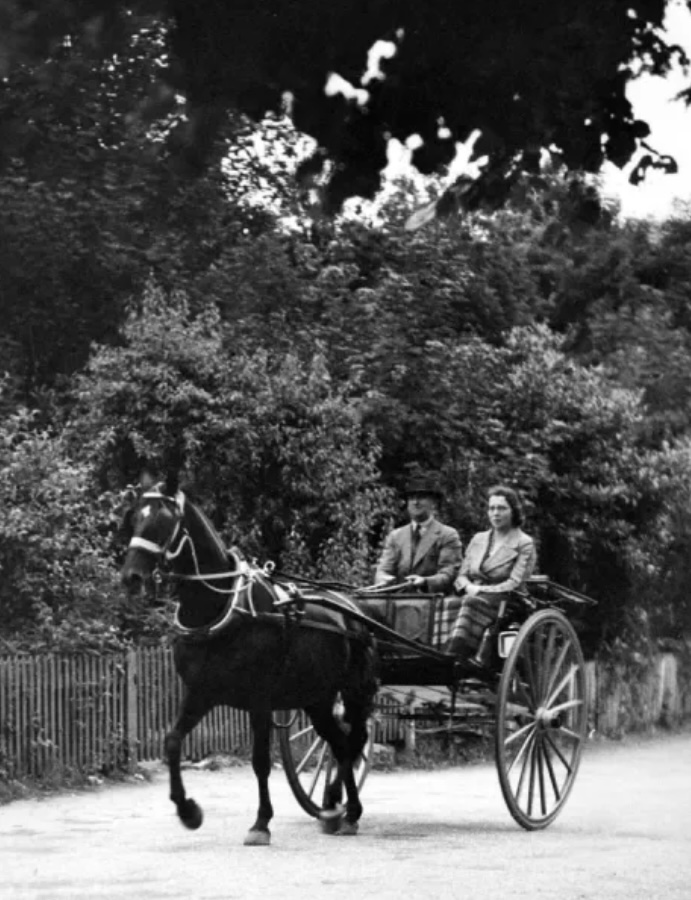
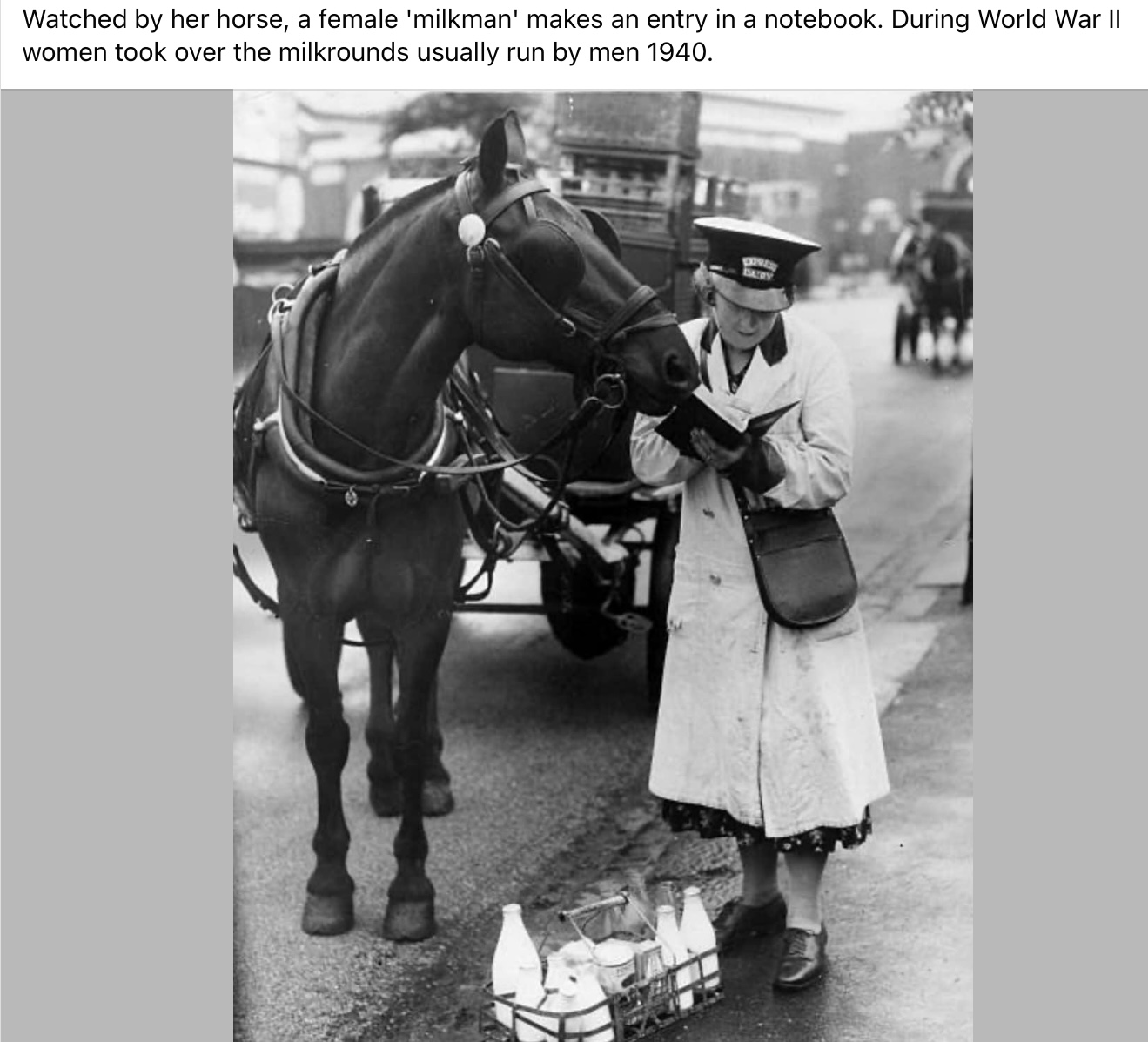
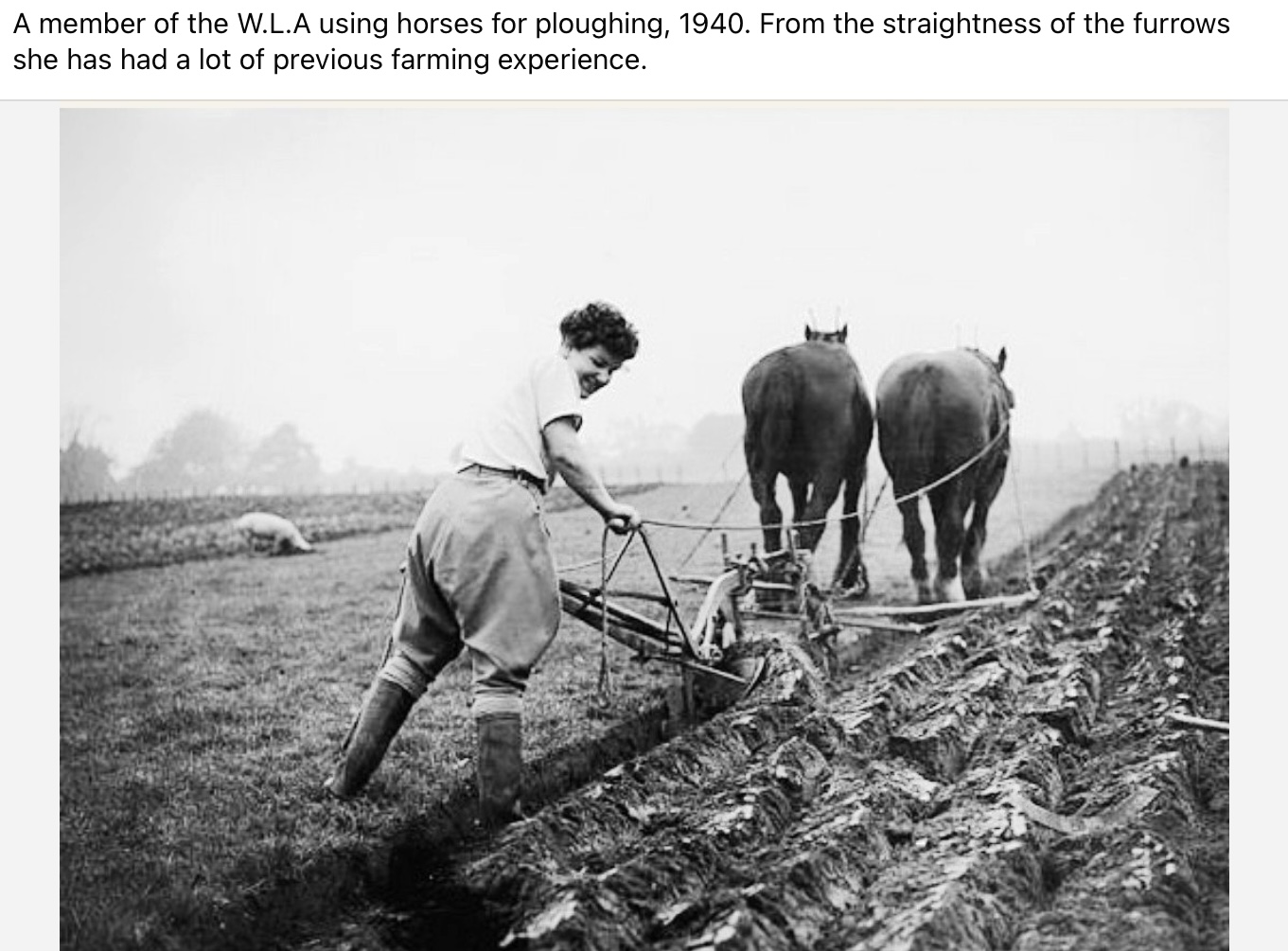
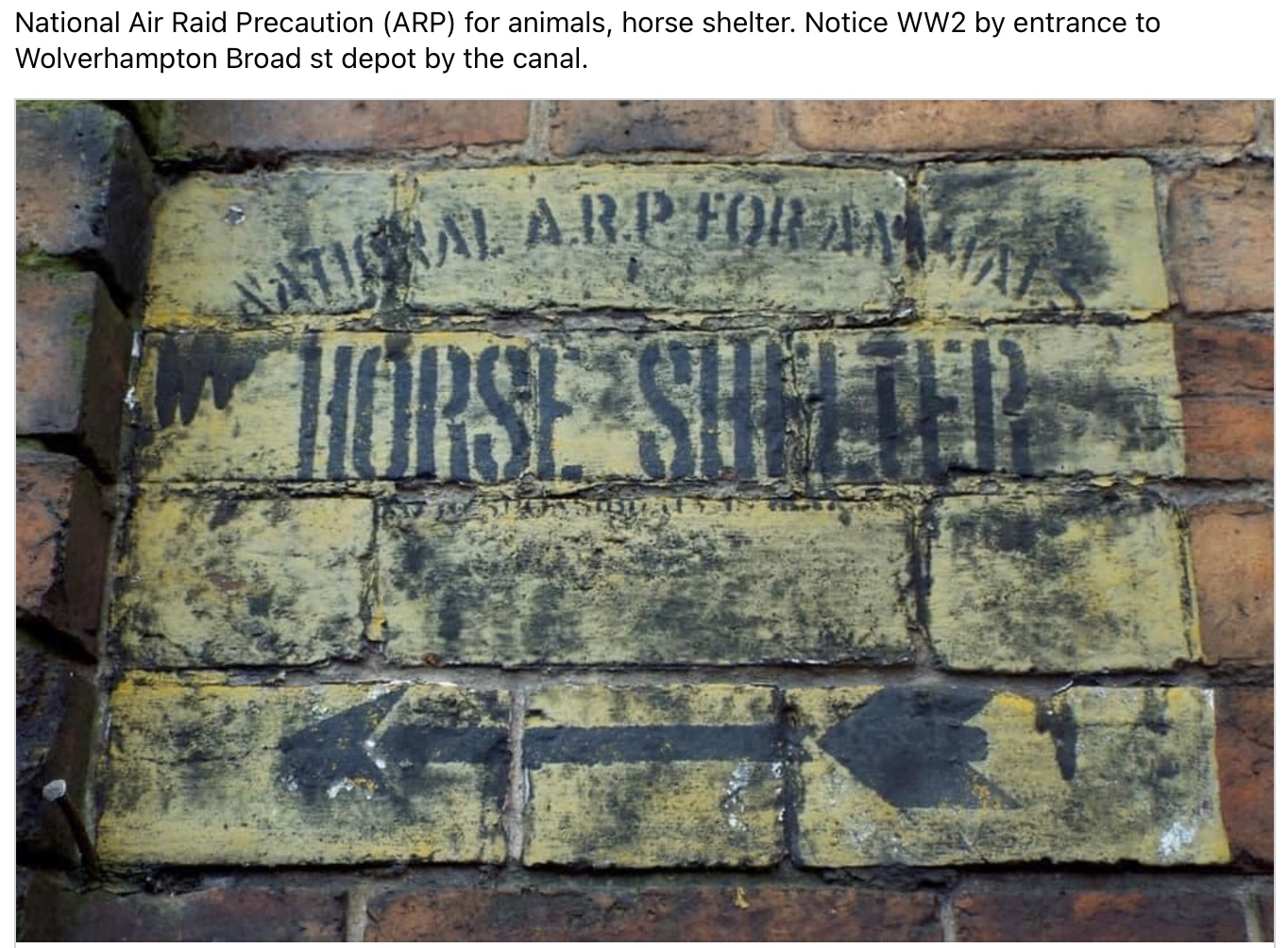
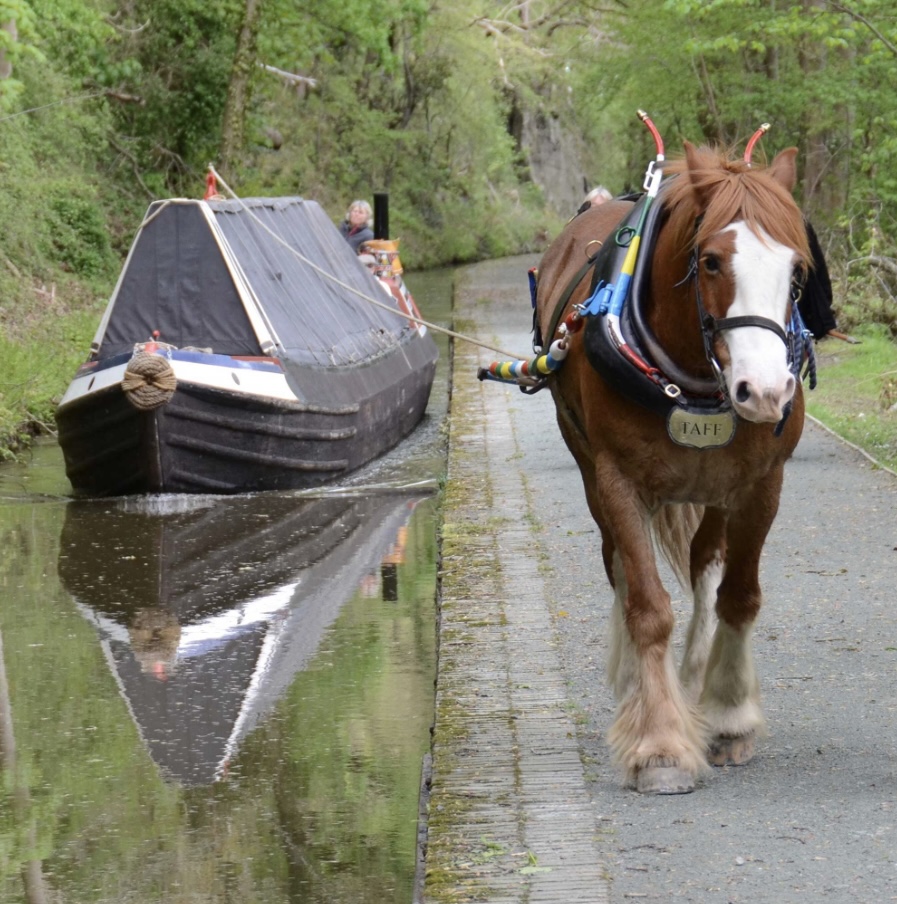
Thanks for your post on the horses Janet W. And the lovely photos.
Grandma Donna Wrote,
Thank you Janet W for a wonderful glimpse in history and perfect for the blog post about horse and wagon use during ww2.
Grandma Donna wrote,
I wanted you to know that I have put up a special forum page for Updates for Baby Jacob. He is the baby of one of our forum family (Kieva) and we have had a couple of updates on her baby that has been in the Pediatric ICU for quite some time now. Jacob was born with Down Syndrome and has had some severe complications with his heart and lungs. You can find his updates now in the top of the forum front page. Donna
I've been and will continue to pray for Kieva & baby Jacob. Thank you for the update.
I had riding horses growing up, always wanted a cart horse.
In the great depression my grandfather farmed with horses and after he left the family farm(marriage) great grandpa caved and got a tractor. I wonder if they went back to horsepower during the war? but I have no one left to ask.
My mom did say that in the early 40's when she was a pre-teen they had milk delivery by horse and cart for a few years. I know there was a lot of worry and grief because of the war and rationing during that time but in many ways it sounds so much calmer and peaceful.
Since I have "gone back in time" with Gr.Donna and this blog/forum I have found that I need quiet and calm. Large noisy gatherings wear me out nowadays. I prefer the quiet of home and home activities.
I have been trying to do things like during rationing and have a question. Back then people saved their drippings and grease from cooking meats, besides making soap what did they use them for?
I do pour off fats and grease because I don't like it. But I don't know what to do with the saved grease. Any ideas?
Bacon drippings were used to fry other foods such as potatoes and eggs and used to flavor green beans and other dishes.
Chicken fat was used for pastry. Pork fat is lard and used for frying, baking and soap making. Beef tallow is used for candles and has become popular lately for frying and baking.
Gravy was made from drippings. I know my m-i-l used bacon drippings to make gravy for breakfast. My mother ate so much gravy during the Depression that she didn't like it and seldom made gravy for our meals. My paternal grandmother had fried pork with thick gravy nearly every night for supper. I lived with them for two school years and really don't recall having anything other than that for supper.
Saved grease can be "cleaned" and used for soap making. I'm not sure how cooking oils would translate for saved grease.
Grandma Donna wrote,
Joyce C, during ww2 the cooking grease was saved for the war effort and turned in for pick up. They were using it less for home use during that time. Before the war and after the war it went back to normal and used in cooking, soap making and if there was too much it was also used in burning their trash. My mother continued to burn her trash throughout her life. But there usually was not a lot of grease left because it went into the vegetables for seasoning and there was always biscuits and gravy, or gravy over potatoes or tomato gravy which would have grease as the base. The grease was good for frying potatoes, usually a dollop was tossed into most anything that was being cooked or spread over bread.
It always seemed to work out depending on the size of the family. If it was a small family the amount of grease would be smaller because there was smaller portions cooked, a large family more grease but also more grease used. It was most likely likely difficult to part with that grease for the war effort.
Then there was the soap making. We still save and use our grease drippings today and now especially since olive oil has gotten so expensive.
I found this simple Monthly Expenditures list in a book I read on American women on the Home Front During the war and thought you all might be interested. It was written by the wife to her soldier husband in a letter. They have one toddler and she is pregnant with their second child.
Rent $20
Electricity $3.75
Telephone $2
Milk $6.50
Laundry $4
Groceries $30
Insurance $2.95
Range Oil $2.80
Total $72
Monthly allowance is $80. Leaves a balance of $8 for clothing, medicine, heat in the winter months, newspapers, amusement etc.
The photo I include is of an Oil Range from one of my vintage magazines. I took the picture to show the type of stove she might have had. It's from 1932 but most people, as we know, would still be using their older appliances.
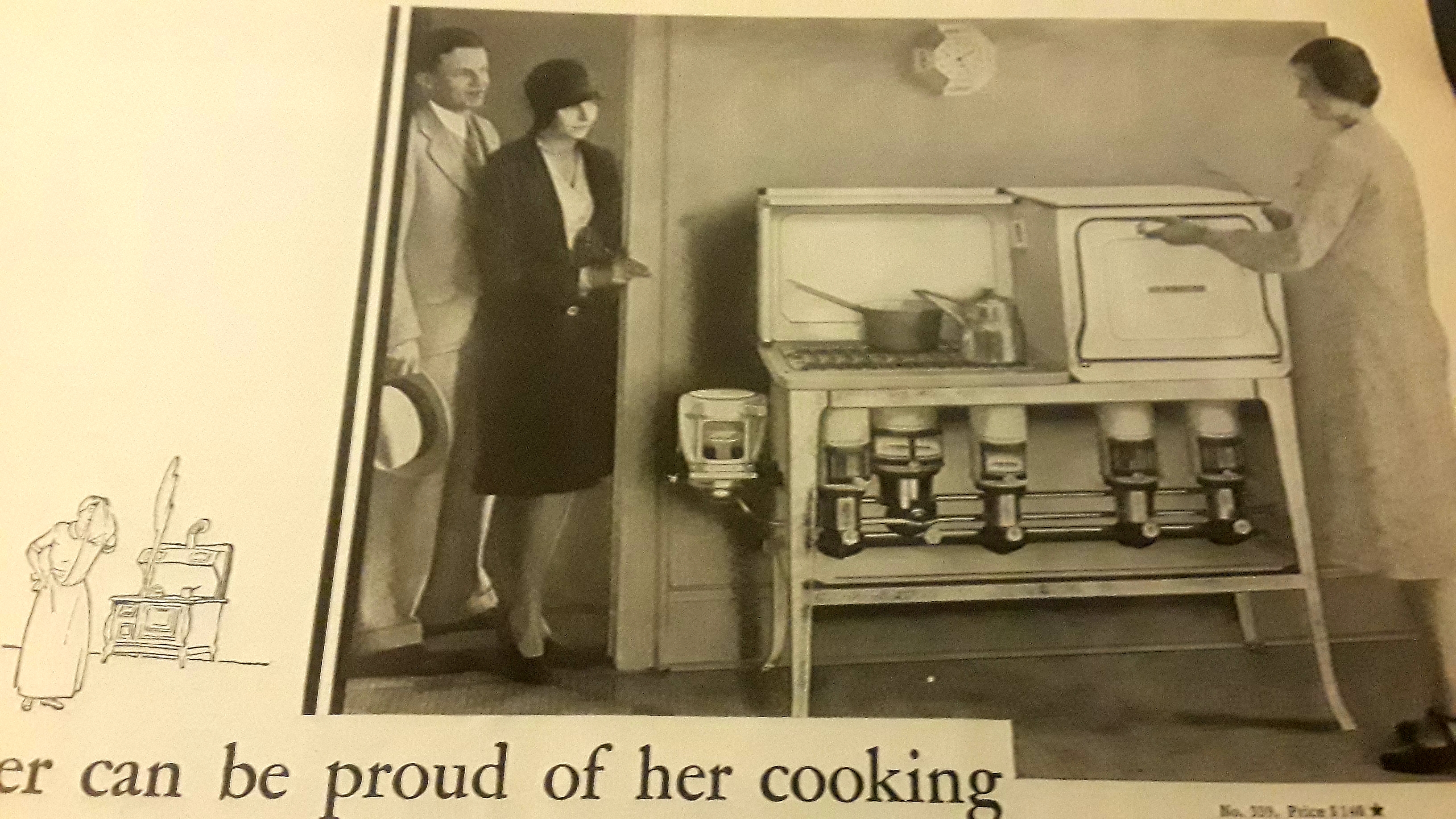
Grandma Donna Wrote, Thank you Tandi S, for this information above.
About fat salvage in America during WW2, when it was saved "for the war effort" this was primarily about extracting glycerin for the manufacture of explosives.
Turning fat in was voluntary, not mandatory, but those who did contribute were paid 4 cents and 2 "red points" (a type of ration point) for each pound of waste fat they turned in.
Only about half of housewives participated in the beginning, and participation fell even lower once lard and butter were rationed.
Besides cooking uses and soapmaking, household uses for fats back then would have included things like waterproofing leather boots, polishing woodstoves, and preventing rust on garden tools.
My mother had a kerosene stove like the one shown except her oven was a separate box that could be removed from the burners. I vaguely recall that it was on the back porch due to the smell when using it.
I have saved the fat from various joints of meat (and from bacon), but have found that, in order to make it keep well (even in the fridge), it needs to be rendered.
This can be done by filtering it (I use a funnel lined with paper), and then gently heating it until all the water has been removed. Bubbles in the melted fat/oil indicates that there is still some water present. Keep heating until only a few bubbles 'pop'. Pour into a jar and allow to cool. Once cool refrigerate.
The result is a creamy coloured, fairly hard cooking fat that adds flavour and replaces oils and solid fats for frying etc. Rendering means that it lasts for ages too.
Cost effective? Probably not, especially as an 8oz block of lard currently costs 50p, here in the UK. But, for self reliance and taste? Well worth it!
I haven't used it as a suet replacement, but that's next on the list!
Interesting post! I was not aware of the move towards using horse and wagons for delivery. I could not find anything in the two local papers that I am reading, so I asked my brother in law if he had any memories of this. He was born right before Pearl Harbor so he would only have been 2, but he has an uncanny memory of that time as he was living with my MIL at her parent's house, surrounded by relatives. He does remember ice being delivered by wagon. I then looked farther north, and found an article in the Allentown Morning Call that was interesting. It was about a company called the Railway Express Company that operated "the largest fleet of motor trucks in the United States".
During the World War, they owned about 15,000 trucks and 20,000 horses. But as of the writing of this article, "horses and wagons are almost as nearly extinct as the dodo" The article goes on to talk about the challenges they were facing. A rapid increase in business demand during the period of Jan-May (article is from June 1942) coupled with difficult finding an available supply of horses and wagons, and the lack of businesses servicing horses or wagons ("It was recently stated that only one horse shoer remains on Manhattan Island" -today's New York city).
Another interesting thing mentioned was that the company had in 1942 a fleet of about 15,000 trucks and that they had "donated to the Army, Navy, Treasury Department, Office of Civilian Defense, and subsequently, the Red Cross all of it's available poster space on these trucks for the duration of the war."
I will have to look into the pasts future to see what happened next. For those of you with a Newspapers.com subscription, go to Pennsylvania-Allentown-The Morning Call- July 13, 1942 "Express Co. Now Is Considering Horses, Wagons"
(edited for typos and to add the part about using the trucks for display of war related posters)
Thanks for sharing that.
On a personal note, my great-grandfather was a blacksmith and farrier in a small frontier town in Saskatchewan through the 20's and 30's prior to moving to New York City at the start of WW2. In New York he worked as a building super, but I'm sort of wondering now why he didn't go back to shoeing horses. It sounds like there would have been a lot of demand!
Well, thank goodness I have a team of draft horses just in case!
In all seriousness, one of the things I love about the drafts is the sense that I don't need any outside inputs to work them, once I have equipment and tack. The sun grows the grass and hay that feeds them; they work the land that produces the grass. It's a closed loop and feels very stable that way. There's something uniquely satisfying about it.

Loading more pages
NEW! Join the mailing list to get email notifications when new articles are posted to our site.
Thank you for joining!
IMPORTANT!
You were sent an email to confirm your subscription to our mailing list.
Please click the link in that email to confirm or you won't be added.
If you have not received the email within a few minutes please check your spam folder.